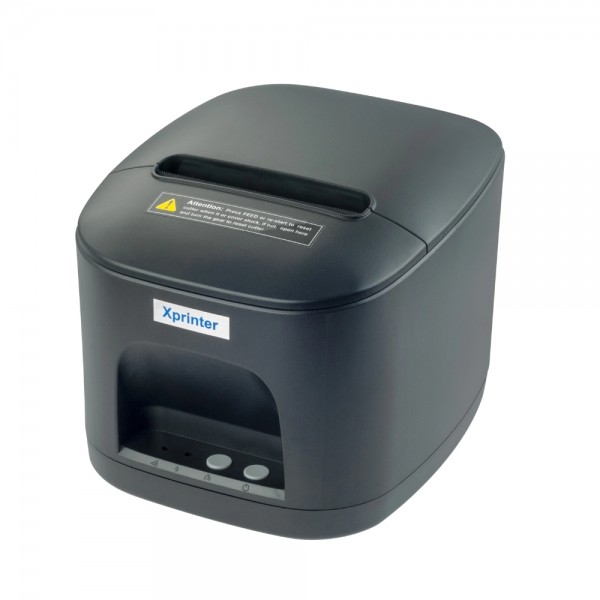
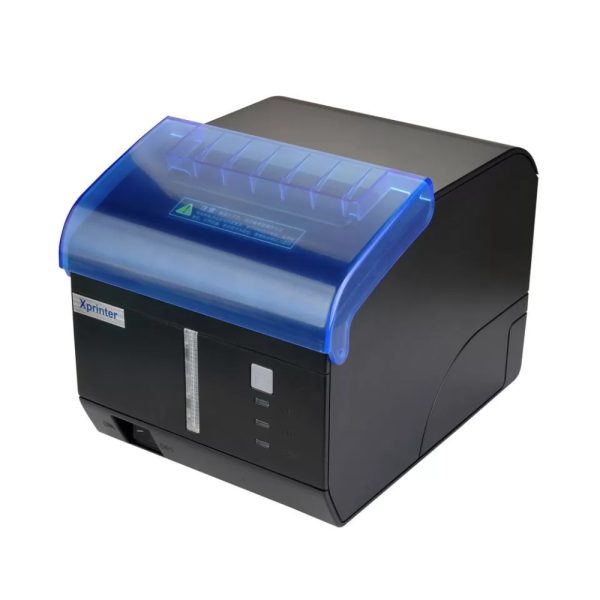
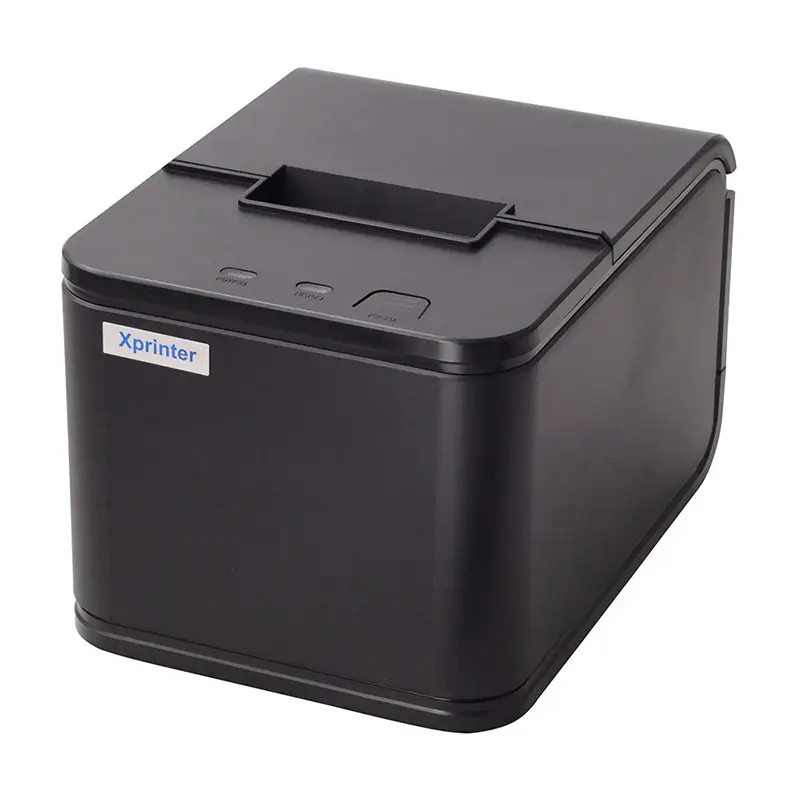
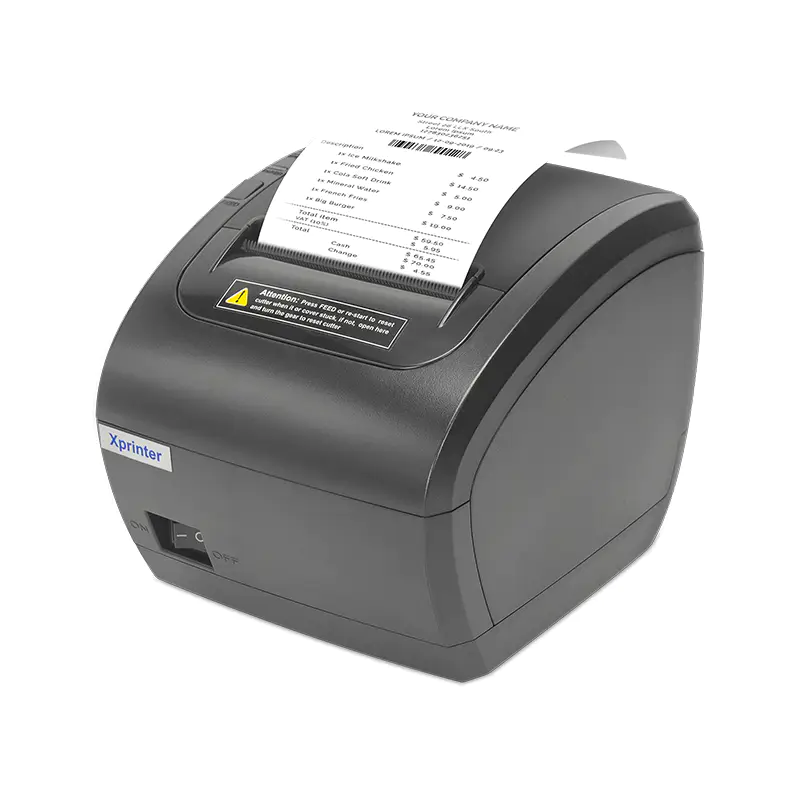
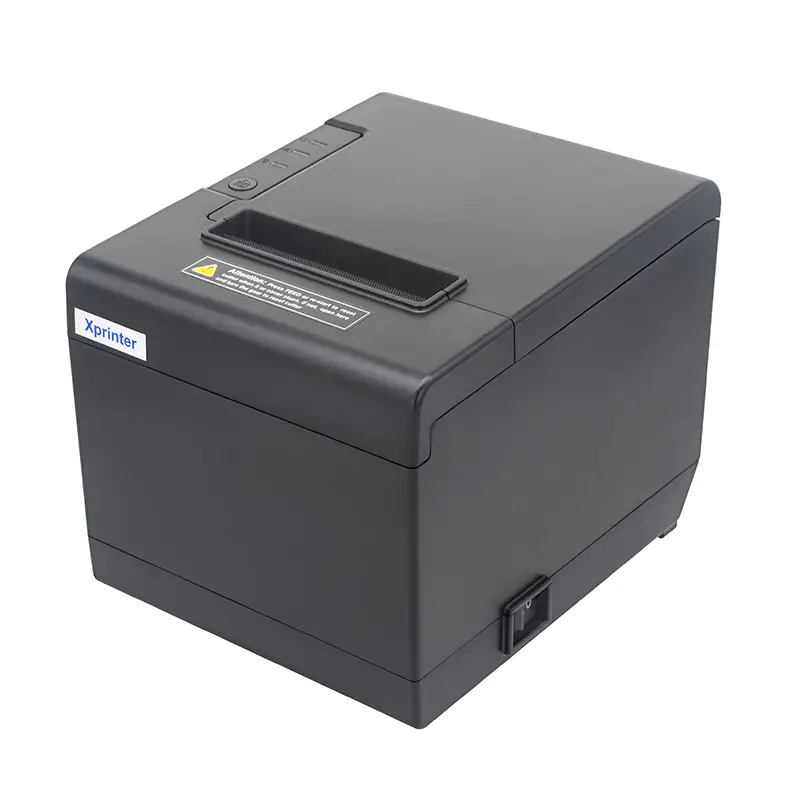
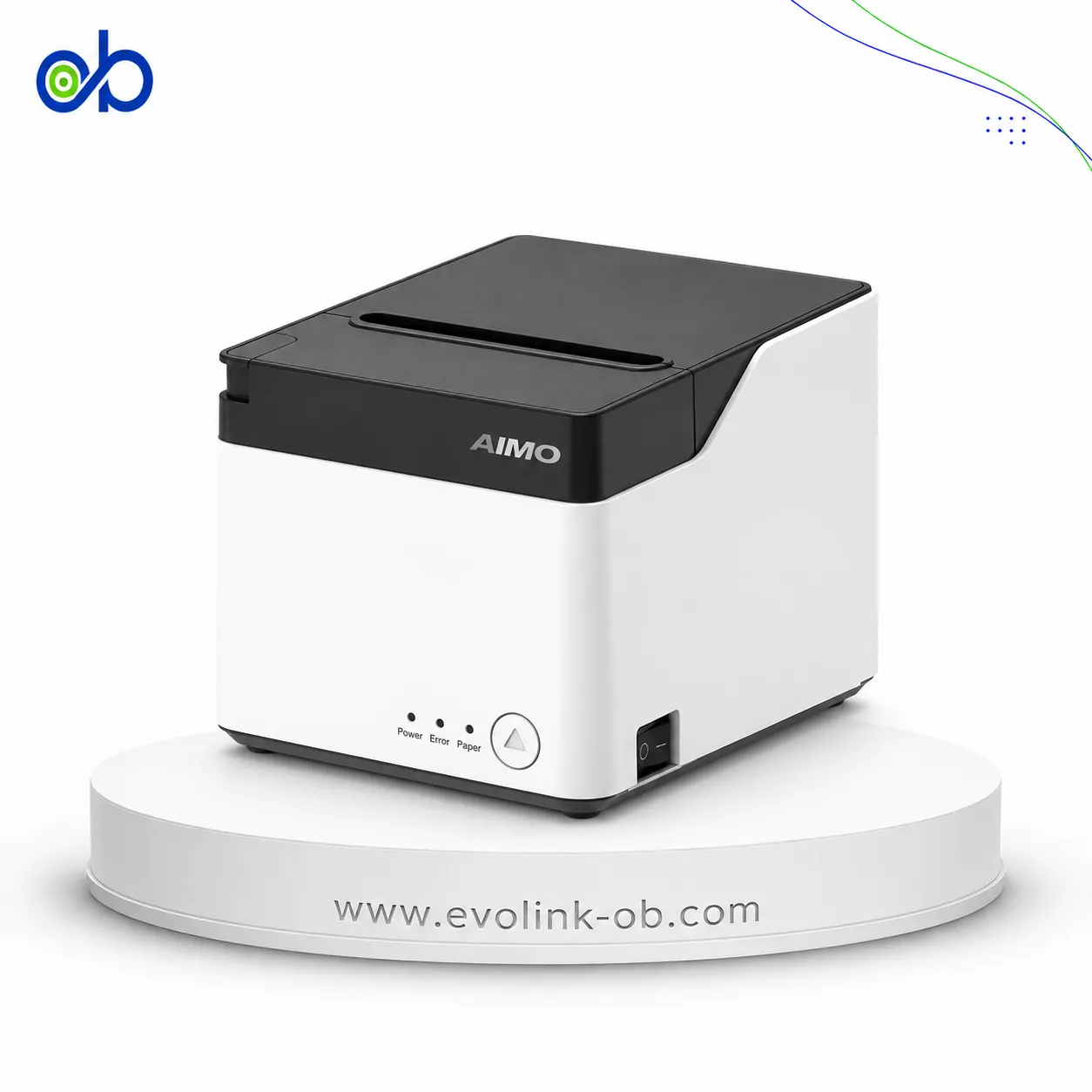
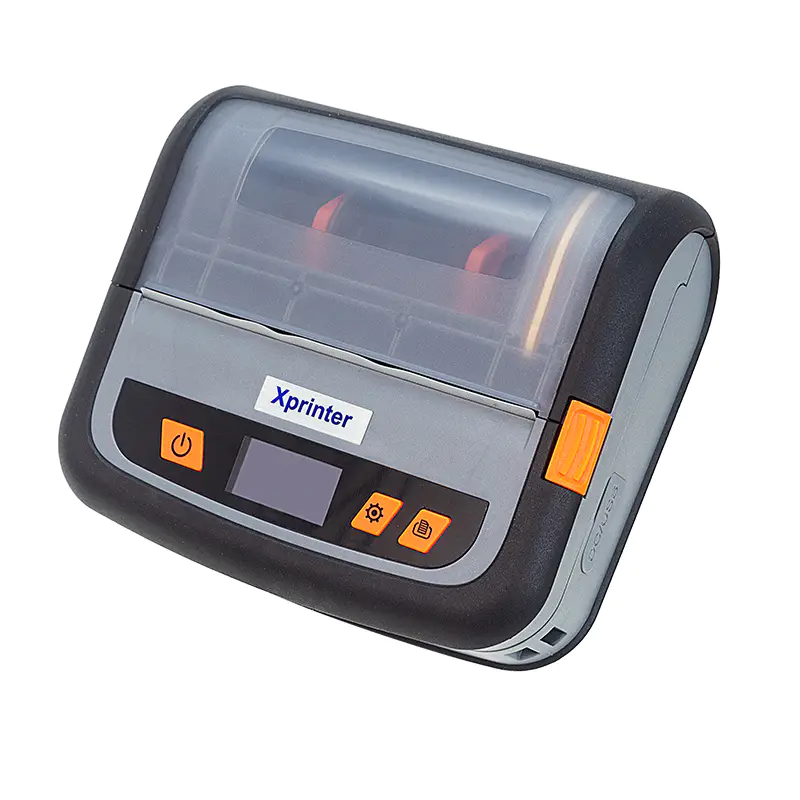
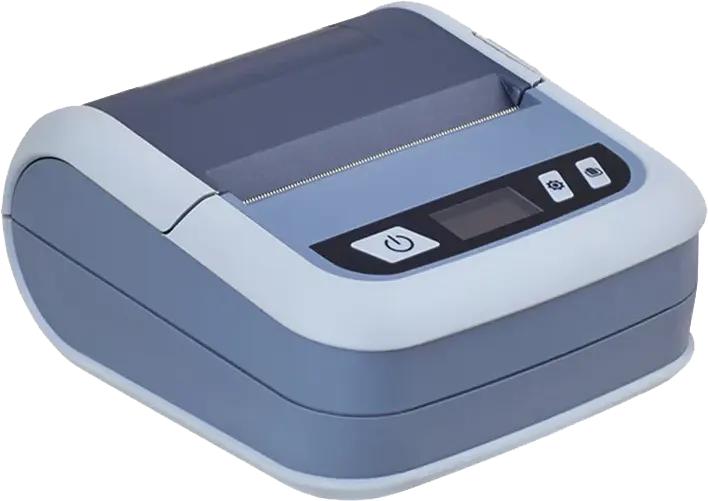
| Price |
$35.00
|
$60.00
|
|
Printer Specifications
|
| تقنية الطباعة |
Direct Thermal
|
Direct Thermal
|
|
Media Handling
|
| Media Width |
79.5±0.5 mm
|
79.5±0.5 mm
|
| Paper Type |
Thermal Receipt Paper
|
Thermal Receipt Paper
|
| Print Width |
72 mm
|
72 mm
|
| Printer Emulation |
ESC/POS
|
ESC/POS
|
| سرعة الطباعة |
230 mm/s
|
260 / 300 mm/s
|
| Input Buffer |
96 KB
|
128 KB
|
|
Printing
|
| Column Capacity |
576 or 512 dots/line
|
576 dots/line
|
| Line Spacing |
3.75 mm
|
3.75 mm
|
| Adjustable Line Spacing |
Yes
|
Yes
|
| Column Number |
Font A: 42/48, Font B: 56/64, Chinese: 21/24
|
Font A: 42/48, Font B: 56/64, Chinese: 21/24
|
|
Memory
|
| NV Flash Memory |
256 KB
|
256 KB
|
|
Fonts
|
| Font A Size |
1.5 × 3.0 mm (12 × 24 dots)
|
1.5 × 3.0 mm (12 × 24 dots)
|
| Font B Size |
1.1 × 2.1 mm (9 × 17 dots)
|
1.1 × 2.1 mm (9 × 17 dots)
|
| Chinese Font Size |
3.0 × 3.0 mm (24 × 24 dots)
|
3.0 × 3.0 mm (24 × 24 dots)
|
| Character Set |
PC437, Katakana, PC850, PC860, PC863, PC865, West Europe, Greek, Hebrew, East Europe, Iran, WPC1252, PC866, PC852, PC858, IranII, Latvian, Arabic, PT151 (1251)
|
PC347, Katakana, PC850, PC860, PC863, PC865, West Europe, Greek, Hebrew, East Europe, Iran, WPC1252, PC866, PC852, PC858, Iran II, Latvian, Arabic, PT151 (1251)
|
|
Barcode Support
|
| Supported 1D Barcodes |
UPC-A, UPC-E, EAN13, EAN8, CODE39, ITF, CODABAR, CODE93, CODE128
|
UPC-A, UPC-E, EAN13, EAN8, CODE39, ITF, CODABAR, CODE93, CODE128
|
| Supported 2D Barcodes |
QR Code, PDF417
|
QR Code, PDF417
|
|
Power
|
| Power Adapter Input |
AC 100–240V, 50–60Hz
|
AC 100–240 V, 50–60 Hz
|
| Power Adapter Output |
DC 24V / 2.5A
|
DC 24V / 2.5A
|
| Printer Input |
DC 24V / 2.5A
|
DC 24V / 2.5A
|
| Cash Drawer Output |
DC 24V / 1A
|
DC 24V / 1A
|
|
Physical
|
| Dimensions |
180x145x130 mm
|
192 × 140 × 140 mm
|
| Weight |
0.8 kg
|
1.1 kg
|
|
Environment
|
| Operating Temperature |
0–45 °C
|
0–45 °C
|
| Operating Humidity |
10–80 %
|
10–80 %
|
| Storage Temperature |
-10–60 °C
|
-10–60 °C
|
| Storage Humidity |
10–90 %
|
10–90 %
|
|
Reliability
|
| Auto Cutter |
Partial Cut
|
Partial Cut
|
| Cutter Life |
1500000 cuts
|
1500000 cuts
|
| Printhead Life |
150 km
|
150 km
|
|
Connectivity
|
| Supported OS |
Windows, Linux, macOS, Android
|
Windows
|
| Interface |
USB
|
USB + LAN
|
|
Certifications
|
| Certifications |
CCC, CB, CE, FCC, RoHS
|
CCC, CB, CE, FCC, RoHS
|
|
Software
|
| OPOS Support |
—
|
Yes
|
|
Features
|
| Error Alarm Support |
Yes
|
Yes
|
| QR Code Printing |
—
|
Yes
|