⁦Compare HP OneShred 15CC Shredder vs Pro Shredder Auto 400 MC⁩

A full comparison of HP products on price, Model Name, Art. No, Rated Input, Power (Watt), and technical specs.

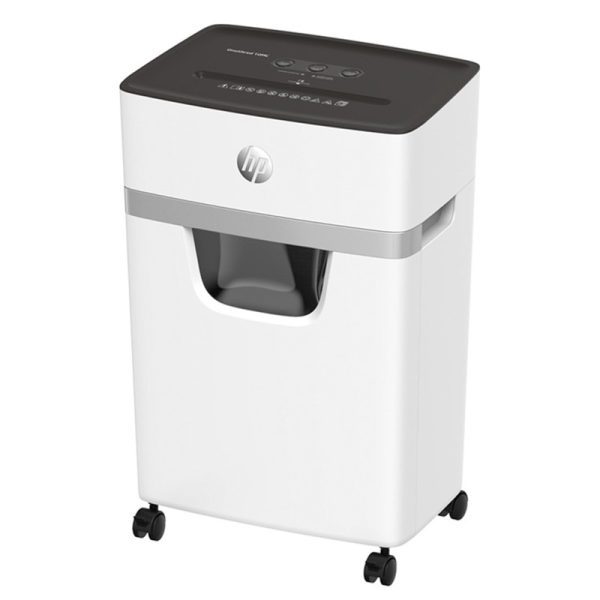
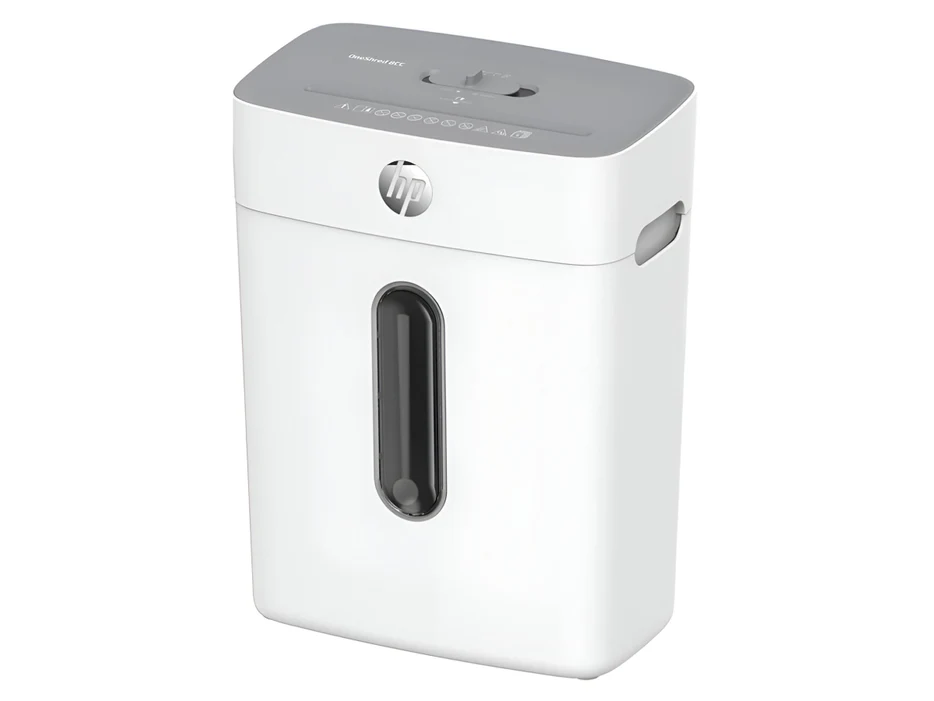
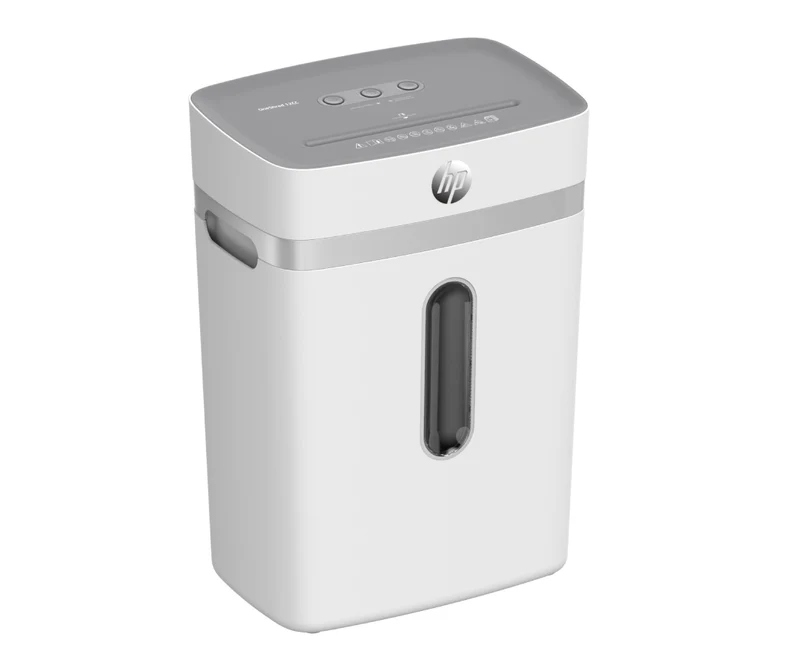
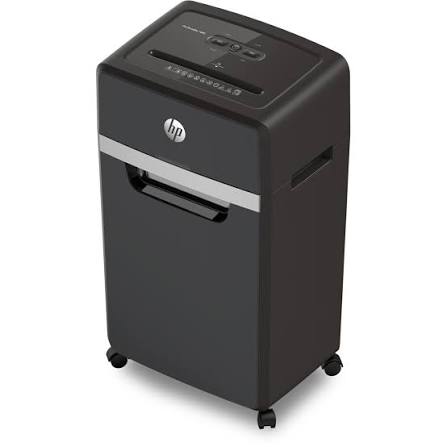
Smaller and Lighter ⁦HP OneShred 15CC Shredder⁩

⁦OneShred 15CC Shredder⁩

Higher Manual Capacity Lower Power Rating

HP OneShred 15CC, document shredder, cross cut shredder, P-4 security, 15-sheet capacity, credit card shredder…

$260.00

in stock
View product
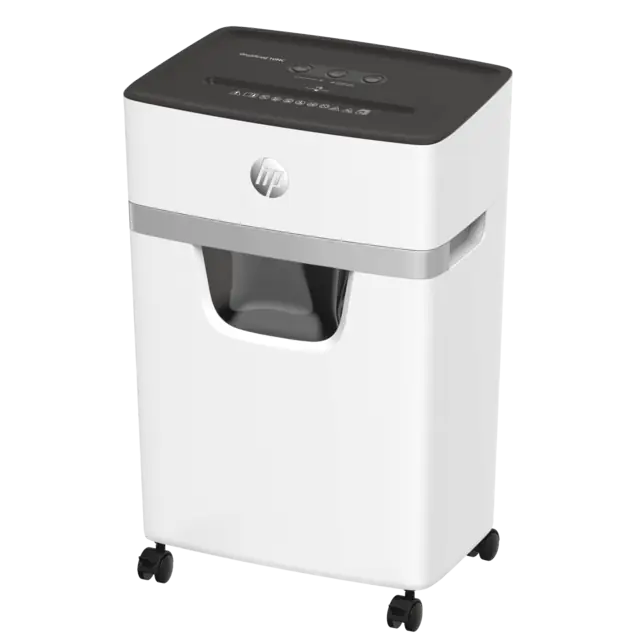
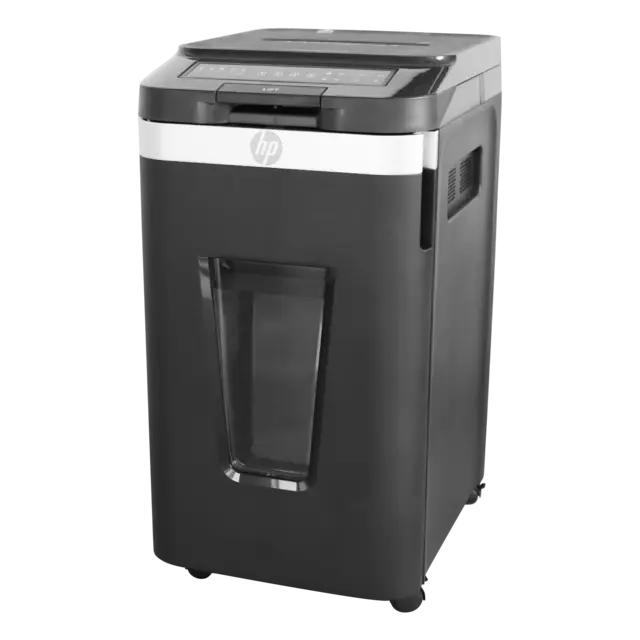
Best Overall ⁦HP Pro Shredder Auto 400 MC⁩

⁦Pro Shredder Auto 400 MC⁩

Larger Capacity P-5 Security

HP Pro Shredder Auto 400MC, document shredder, Microcut, P-5 security, 400-sheet auto feed, 10-sheet manual fe…

$1,250.00

in stock

View product

Specifications

Specification ⁦OneShred 15CC Shredder⁩ ⁦Pro Shredder Auto 400 MC⁩
Price $260.00 $1,250.00
Model Name ⁦HP OneShred 15CC⁩ ⁦HP Pro Shredder Auto 400MC⁩
Art. No 2803 2823
Rated Input ⁦220-240VAC, 50/60Hz⁩ ⁦220V-240V~, 50HZ⁩
Power (Watt) 350 414
Current (A) 1.8 1.8
Motor type DC DC motor
Shred capacity (sheets A4, 80g) 15 10
Shred media, manual feed paper,staples, clips, credit card 400
Shred media, automatic feed paper, staples, clips, credit cards, CDs
Cut type Cross cut Microcut
Throat width ⁦220 mm⁩ ⁦240 mm⁩
Cut size ⁦4*35 mm⁩ ⁦2*12 mm⁩
Security level (DIN 66399) ⁦P-4⁩ ⁦P-5⁩
Rated sheet shredding speed ⁦1.8 m/min⁩ ⁦1.8 m/min⁩
Run time, manual feed (minutes) ⁦10 min⁩ Photo sensor min
Run time, automatic feed (minutes) ⁦Manual: 30 Auto: 240 min⁩
Cooling time ⁦50 min⁩ ⁦45 min⁩
Overheat indicator Yes Yes
Overload indicator Yes Yes
Bin full indication Yes
Bin open indicator Yes
Automatic Reverse Function / Anti Jam Yes Yes
Standby indication Yes
Patented staples/clips Yes
Bin capacity ⁦20 l⁩ ⁦53 l⁩
Noise level ⁦65 dB⁩ ⁦60 dB⁩
Bin style Pull out Pullout
Castors Yes Yes
Reverse Function (Auto or Manual) Both Auto and Manual Reverse
Lock system Yes, four digital code
Unit weight 9,4 25.6
Packaging Dimensions ⁦408x308x610 mm⁩ ⁦505x605x884 mm⁩
Weight Product + Packaging 9,9 29,2
Quantity / Carton 1 1
Cartons per Palette 15
Barcode (unit) 4030152028030
Dimensions and Weight
Product Dimensions ⁦354x240x534mm⁩ ⁦400x500x764 mm⁩

Summary: Which Shredder Should You Choose?

Choose HP OneShred 15CC if you need:

  • Manual shredding of up to 15 A4 sheets at 80 gsm per pass, compared with 10 sheets for the Auto 400MC.
  • A smaller 354×240×534 mm unit weighing 9.4 kg, making it easier to position and move.
  • A lower rated power of 350 watts instead of 414 watts.

Choose HP Pro Shredder Auto 400MC if you need:

  • P-5 security with 2×12 mm micro-cut particles, compared with P-4 and 4×35 mm particles.
  • A 53-liter pull-out bin instead of 20 liters, plus a bin-full indicator.
  • A 30-minute manual runtime and 60 dB noise level, compared with 10 minutes and 65 dB.

Decision: The Auto 400MC is the stronger overall choice due to its higher security, larger bin, and longer runtime. The OneShred 15CC remains preferable when compact size, low weight, and manual sheet capacity matter more.

What Is the Difference Between HP OneShred 15CC and HP Pro Shredder Auto 400 MC?

Both shredders use a DC motor and have a rated shredding speed of 1.8 m/min, pull-out bins, and castors. They also include overheat and overload indicators, along with an automatic reverse function designed to help prevent paper jams.

The most significant difference is document security. The Auto 400MC uses micro-cut shredding with 2×12 mm particles and a P-5 rating, while the OneShred 15CC produces 4×35 mm cross-cut particles at P-4. The 400MC also provides a 53-liter bin instead of 20 liters, a 30-minute manual runtime instead of 10 minutes, a lower 60 dB noise level instead of 65 dB, and a wider 240 mm feed opening instead of 220 mm. In contrast, the 15CC accepts up to 15 sheets per manual pass rather than 10 and weighs considerably less at 9.4 kg versus 25.6 kg.

The OneShred 15CC may suit users prioritizing compact dimensions, easier movement, and larger manual batches. The Auto 400MC is better suited to requirements centered on higher document security, longer operation, and greater waste capacity.

Frequently asked questions